IVDD Care
Expert care for dogs with Intervertebral Disc Disease, from diagnosis through recovery.
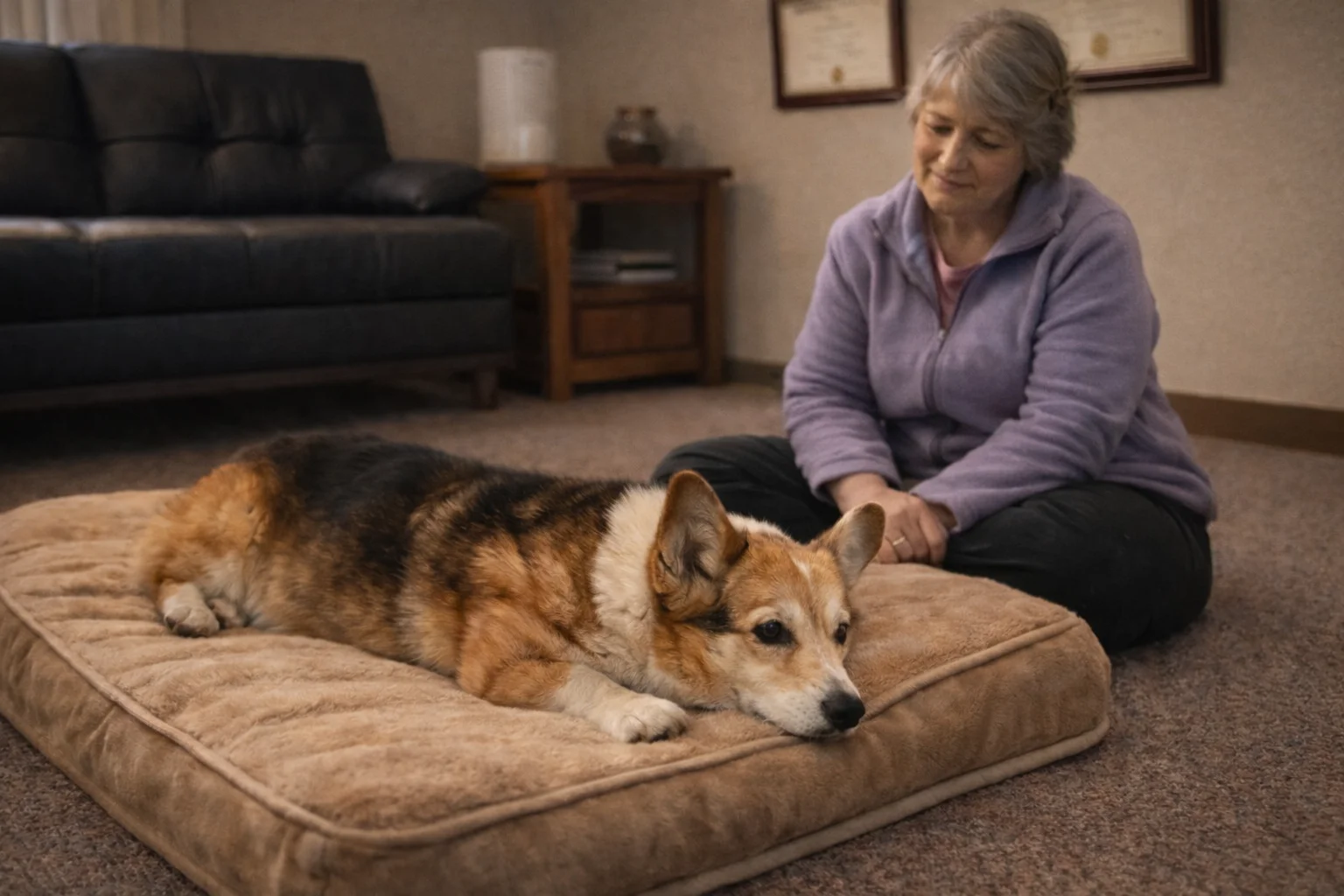
About IVDD Care
Intervertebral Disc Disease is a neurological condition where the cushioning discs between your dog's vertebrae either bulge or burst. This can lead to pain, nerve damage, and even paralysis. Breeds like Dachshunds and Basset Hounds are especially prone to this condition due to their unique body structure. At Life Quality Pet Care, we offer compassionate, expert care to help your furry friend through their IVDD journey.
Best For
Dogs diagnosed with IVDD, breeds prone to disc disease, or pets showing signs of back pain or mobility issues.
Conditions We Treat
What to Expect
Depending on the severity of IVDD, treatment may range from conservative management to surgical intervention. We'll work with you to determine the best approach for your pet.
Varies based on treatment approach
Conservative management includes strict crate rest, carefully managed pain relief, and an individualized physical therapy plan.
Prevention tips include maintaining optimal weight, avoiding activities that put extreme strain on the spine, and regular check-ups to catch early signs.
Frequently Asked Questions
What is IVDD and which breeds are most at risk?
Intervertebral Disc Disease (IVDD) occurs when the cushioning discs between vertebrae bulge or burst, causing pain, nerve damage, or paralysis. Breeds with long backs and short legs like Dachshunds, Basset Hounds, Corgis, and Beagles are particularly prone to IVDD due to their body structure.
What are the signs my dog might have IVDD?
Common signs include sudden back or neck pain, reluctance to move or jump, hunched posture, limping, weakness in the legs, difficulty walking, loss of coordination, and in severe cases, paralysis or loss of bladder control. If you notice these symptoms, seek veterinary care immediately.
Does my dog need surgery for IVDD?
Not all IVDD cases require surgery. Treatment depends on the severity of the condition. Mild to moderate cases may be managed conservatively with strict crate rest, pain management, and rehabilitation therapy. Severe cases, especially those with paralysis or rapid deterioration, may require surgical intervention. Dr. Gleason will assess your dog and discuss the best treatment approach.
How can rehabilitation help with IVDD recovery?
Rehabilitation plays a crucial role in IVDD recovery, whether surgical or conservative treatment. It includes laser therapy to reduce inflammation, acupuncture for pain relief, manual therapies, and carefully designed therapeutic exercises to restore function and prevent future episodes. Dr. Gleason's CCRP certification ensures expert care for spinal conditions.
Can IVDD be prevented?
While you can't prevent IVDD in predisposed breeds, you can reduce risk by maintaining your dog's optimal weight, avoiding activities that strain the spine (jumping from heights, excessive stair climbing), using ramps instead of stairs, providing proper support when picking up your dog, and scheduling regular check-ups to catch early warning signs.
Benefits
Quality of Life
Rehabilitation promotes optimal function and quality of life as they relate to movement disorders.
Rehabilitation Plan
Life Quality Pet Care's rehabilitation plan typically includes laser therapy, acupuncture, manual therapies, and therapeutic exercises.
Pre- and Post-Surgery
Utilize rehabilitation to improve your pet's recovery before, after, or possibly in lieu of surgery such as TPLO surgery.
Certified
Dr. Gleason is a Canine Certified Rehabilitation Practitioner (CCRP), Certified Veterinary Acupuncturist (CVA), and Certified Veterinary Food Therapist (CVFT).
Ready to help your pet feel better?
Schedule an appointment to discuss whether ivdd care is right for your pet.